Study Claimed What does “Claimed” mean?
Durupınar samples reported as 3,500-5,000 years old
· by Faruk Kaya, Ağrı İbrahim Çeçen University (AİÇÜ), Istanbul Technical University (İTÜ)
AİÇÜ vice rector Faruk Kaya said initial İTÜ lab results found clayey and marine materials and indicated human activity since the Chalcolithic, adding dating alone cannot show the ship is there.
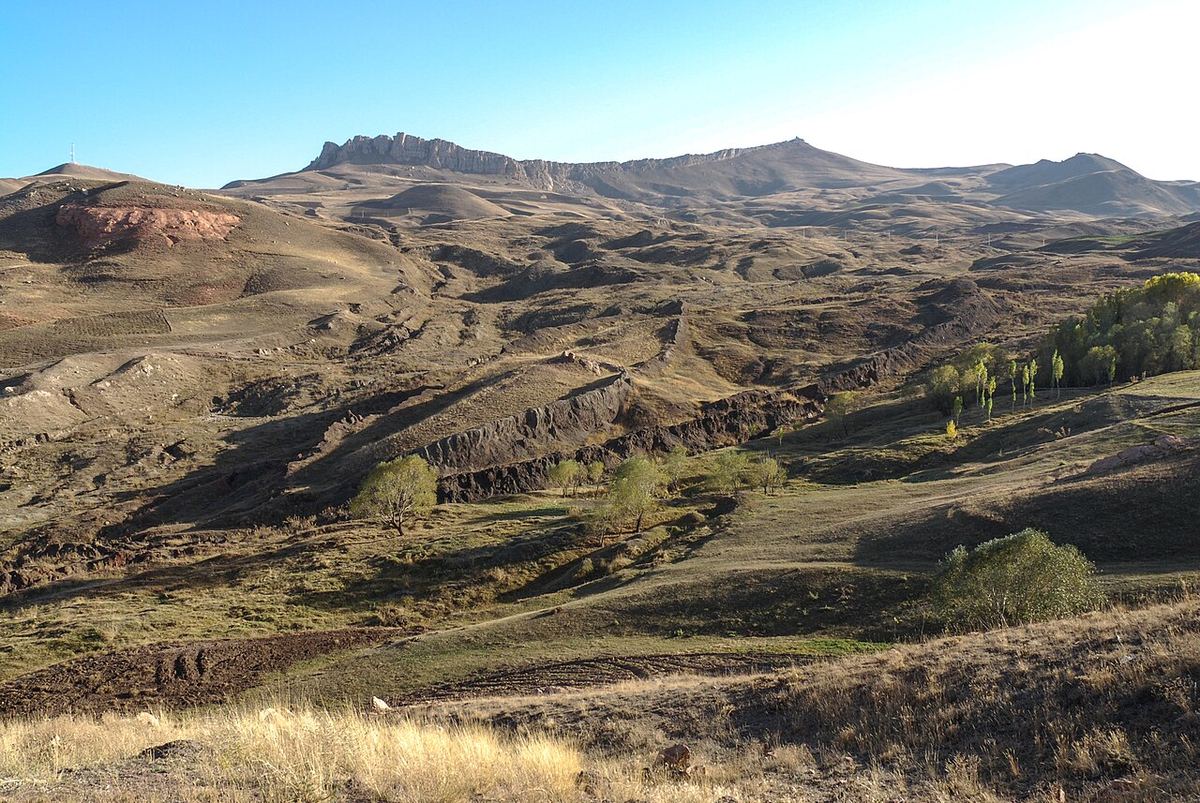
What is claimed
Samples date to 3,500-5,000 years ago, show human activity in the Chalcolithic, and the area was once covered by water.
What is established
Only press reports and symposium statements; no peer-reviewed paper was found. Kaya: "it is not possible to say that the ship is here".
Details
Results were discussed at the 7th International Ararat and Noah's Ark Symposium at İTÜ in October 2023. Kaya also announced joint research in the Cudi and Ararat regions with Andrews University. The Christian Post reported pottery said to be about 5,000 years old.
- Claimants
- Faruk Kaya Ağrı İbrahim Çeçen University (AİÇÜ) Istanbul Technical University (İTÜ)
- People involved
- Andrew Jones
- Sites
- Durupınar formation Cudi Dağı (Mount Judi)
Sources (4)
- The ruins believed to belong to Noah's Ark date back to 5500-3000 years BC (opens in a new tab)
- Scientists examined the remains believed to belong to Noah's Ark, and here are the results (opens in a new tab)
- Noah's Ark site rock samples reveal human activity dating back thousands of years (opens in a new tab)
- Evidence of pottery, ancient human activity found at Noah's Ark (opens in a new tab)
Related entries
Referenced by
Added · Permalink /e/2023-itu-aicu-sample-results/ · Back to timeline